Low-Performance vs High-Performance Sporting teams
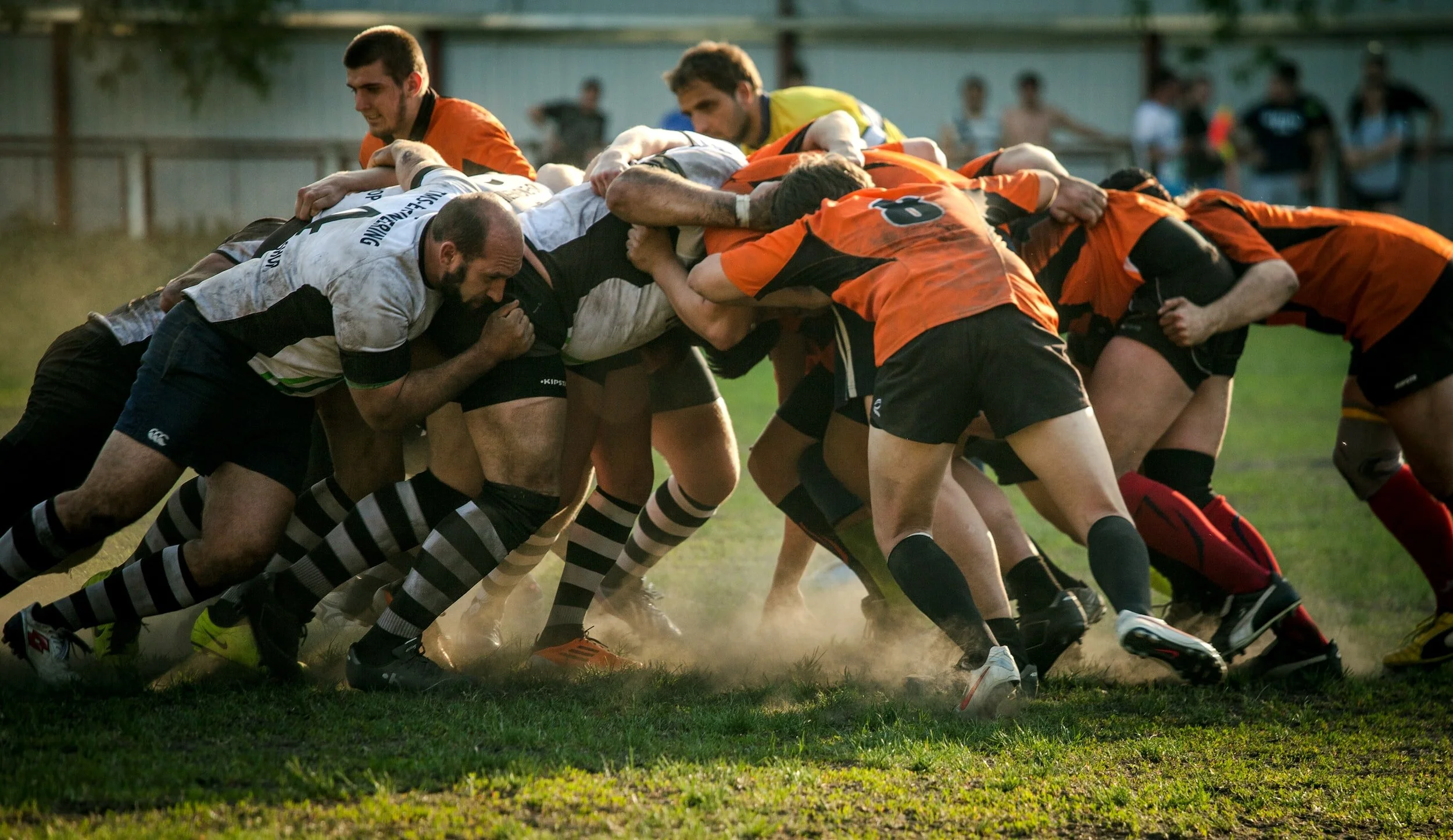
A low-performance sports team and a high-performance sports team differ in several key aspects:
Skill and Talent Level: High-performance teams typically consist of highly skilled and talented athletes who have demonstrated exceptional abilities in their respective sports. They possess advanced techniques, strategies, and physical attributes that contribute to their success. In contrast, low-performance teams may have less skilled athletes who may still be developing their abilities or lack the same level of talent.
Results and Success: High-performance teams consistently achieve favorable results and have a track record of success. They often win championships, achieve high rankings, or dominate their competitions. Low-performance teams, on the other hand, struggle to achieve significant success and may have a history of poor performance, low rankings, or frequent losses.
Training and Preparation: High-performance teams typically follow rigorous training programs tailored to enhance their skills, physical conditioning, and tactical understanding of the game. They invest significant time and resources into training, often employing professional coaches, trainers, and support staff to optimize their performance. Low-performance teams may have less intensive training programs and limited access to professional resources.
Team Cohesion and Chemistry: High-performance teams often prioritize team dynamics, fostering strong cohesion, trust, and effective communication among team members. They understand the importance of teamwork and collaboration in achieving their goals. Low-performance teams may struggle with cohesion and chemistry, resulting in poor coordination, lack of trust, and difficulty working together effectively.
Competitive Mindset and Motivation: High-performance teams possess a competitive mindset and a strong drive to win. They exhibit a relentless work ethic, resilience, and the ability to perform under pressure. Low-performance teams may lack the same level of competitiveness and motivation, which can affect their performance and overall success.
Resources and Support: High-performance teams often benefit from greater resources and support from their organizations, sponsors, and fans. They may have access to state-of-the-art facilities, equipment, sports science expertise, and financial backing. Low-performance teams may face limitations in terms of resources and support, which can impact their ability to compete at a high level.
It's important to note that the line between low-performance and high-performance can vary across different sports and contexts. The definition of success and performance levels may differ based on the specific sport, level of competition, and regional or international standards.