12 Steps to a High-Performance Team
The one book you need to develop your leadership and team-building skills.
This book contains the very latest management, leadership, and high-performance teams research and best practices from some of the world's leading and most progressive organizations such as Harvard Business Review, Google, Microsoft, Deloittes, Adobe, Forbes, Praxis, Gartner, and Gallup, with a wealth of knowledge from books such as Good to Great, The Five Dysfunctions of Teams and The Hedgehog Effect. The book acknowledges the modern-day challenges of leadership and managing teams, including the need for psychological safety, team member engagement, better, intuitive decision-making, motivating team members and how to build an effective team.

In 12 Steps to a High-Performance Team, you will find:
- A comprehensive guide on management and modern leadership practices.
- One management, one leadership and one high-performance team-building course.
- Easy step by step instructions.
- Actions and a summary at the end of each chapter.
- How to easily transition into a new role of manager or leader.
- Build trust, credibility and gain the confidence of your team.
- Evaluate your team and different personalities.
- How to develop charisma and become a person of influence.
- Give effective feedback and motivation.
- Secrets to effective communication and developing emotional intelligence.
- How to delegate, be persuasive and be a good mentor and coach.
- Manage conflict to your team's advantage.
- How to build a high-performance team.
- And so much more…
What do today's employees want?
Today's new generation of employees are vocal about what they want their workplace to look like; they are suspicious of the older Traditional management styles, which they view as managing, administering, and in some cases stifling, unreasonable and unwarranted. They want managers who are trained in High-Performance Leadership styles, who will recognise them for their efforts, and who work in a collaborative, supportive and motivational manner. They want a say in how their workplace is managed, where free-thinking, empowerment, service, and community are put ahead of self-interest. They have a greater need for feedback and reinforcement than their predecessors and look for praise for their being tech-savvy.
Chapter 1. High-Performance Leadership
This chapter contains High-Performance Leadership training designed for managers who believe in leaving a team and work environment better off than how they found it, finding better ways to do things and not being content with the status quo. If this describes you, then you will be highly compatible with the High-Performance Leadership style that also acts as preparatory stage to taking on a senior leadership position.
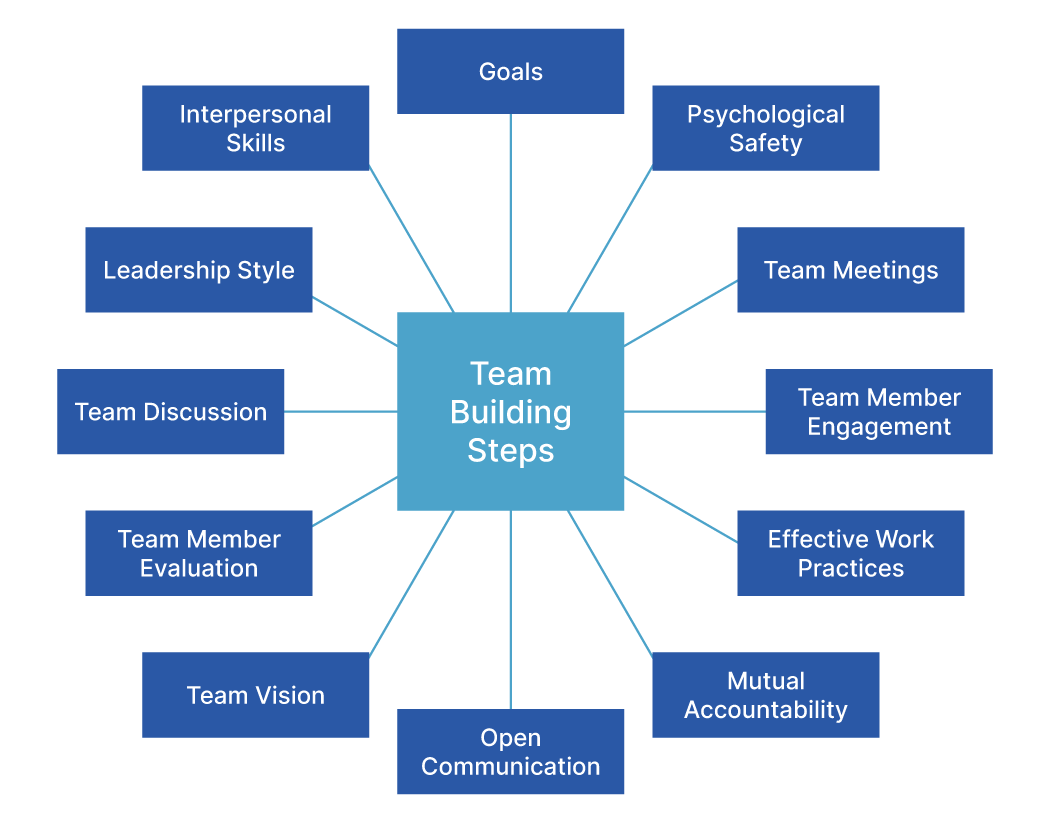
Chapter 2. High-Performance Team Building
The training in this chapter builds on High-Performance Leadership and introduces the final steps to build a High-Performance Team. High-Performance Team members don't want to come to work and do something that ordinary teams can accomplish; they want to do something extraordinary, something that says they are personally capable. What matters most to team collaboration is not personalities, attitudes, or behavioural styles; instead, what teams need to thrive are certain "enabling conditions such as a compelling team vision, a flat structure, a supportive context and a shared mindset." Today these requirements demand more attention than ever, which is why High-Performance Leadership training is a precursor to High-Performance Team building.
Chapter 3. Workplace Cultivation
The workplace environment is where the team operates, where the social and physical context of its work forms the team's ecosystem. Creating a supportive environment is one of the high-performance leaders most important responsibilities. While it might be tempting to first focus on factors within the team as determinants of its effectiveness, the team's environment is key to its success. The environment is the team's foundation, and shoddy foundations result in a poorly performing team.