How to provide Motivation and Support - Download
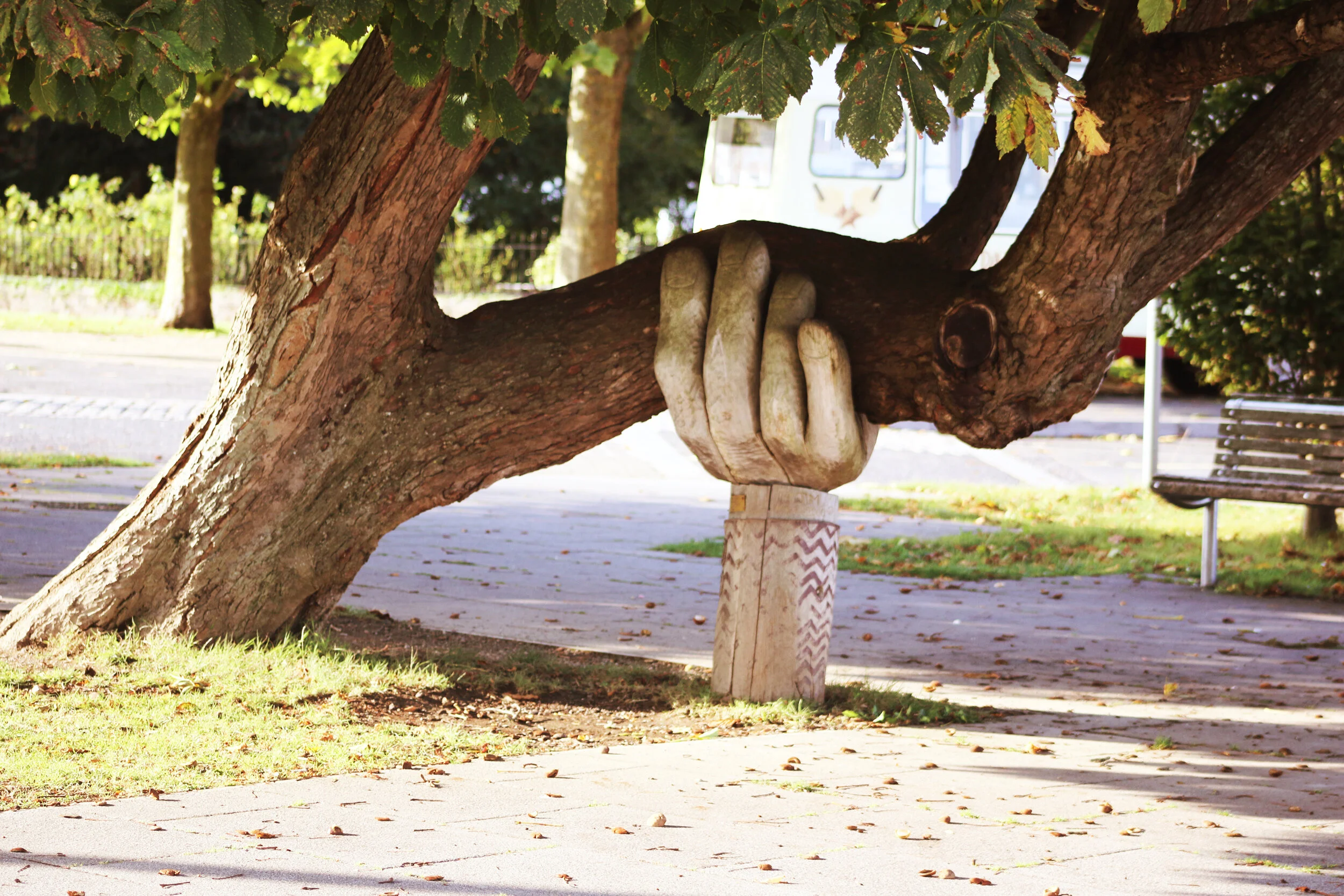
Put people first
The number one people management skill you need to be well versed in, is motivating and supporting your team members.
Managers who actively support and motivate feel closer to those whom they are helping. By showing a sincere interest in your team members, you are building trust and inspiring others to achieve higher levels of performance.
A team is a group of individuals which must be managed as individuals. It is important to accept individual differences (e.g., some team members receive more encouragement, some more autonomy, others firmer standards, and still others more task structure. It also follows that when delegating tasks, it should be done as a means of developing team members.)
These techniques are based on the High-Performance Management model (Futcher Principle™), which uses a Transformational management style, that is, it puts people first. The risk is that you may attempt to use Traditional management style techniques which are outdated and run a high risk of demotivating team members.
The following Motivation and Support techniques result in substantial increases in performance, productivity and creativity. They solve a range of team member management issues.
Below is a Download Button that will provide you with a concise, no-nonsense Management Guide on how to use these techniques.
Standard Motivational Techniques
Five simple everyday techniques
Recognition Technique
This technique is for general motivation of team members to show them that you value their contributions
Take it to the next level Technique
This technique is good for motivating a team member who has prepared a report, a presentation or a document that does not meet your expectations
The Hand Technique
This technique is for managing team members who are experiencing a fear of failure or fear of not meeting your expectations
Don’t talk Technique
This technique is suitable for team members who are troubled, underperforming, have dropped the ball or are not engaging in change like their colleagues